Simple Care Practices That Protect Metal Handrails Over Time
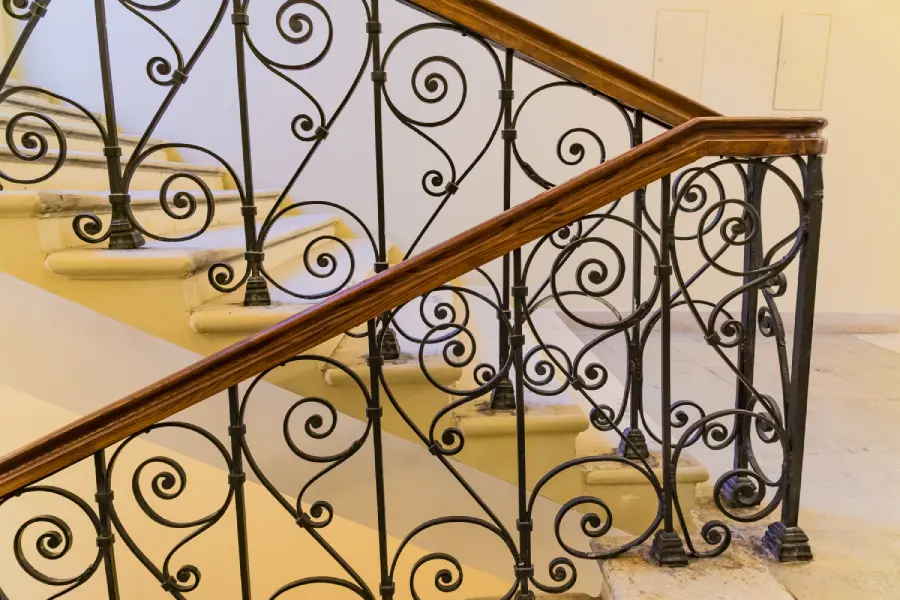
Metal stair rail systems add safety, strength, and visual appeal to homes and businesses. Over time, daily use, moisture, and air exposure can damage the surface. Small issues often grow fast when ignored. You can avoid costly repairs with smart care habits. Regular upkeep protects both looks and structure. This guide explains what to watch for and how to act early. You will learn simple steps that keep metal railings strong and safe for many years.
Why Ongoing Care Protects Strength and Appearance
Routine care helps your iron stair railing resist rust, surface wear, and loose joints. Metal reacts to water and air every day. Small chips in the coating can expose bare steel. That exposure leads to rust and weak spots. Consistent cleaning and inspection lower this risk. Well-kept railings also support safer movement on stairs. They help meet building safety expectations in many settings.
Main Advantages of Regular Maintenance
Taking care of an iron stair railing offers both safety and value benefits. Owners often notice fewer repairs and steady performance when care stays consistent.
- Reduces rust and corrosion risks
- Extends the life of metal components
- Keeps handrails stable for daily use
- Preserves property appearance and value
- Lowers long-term repair costs
Common Problems Caused by Neglect
Many metal rail failures start with minor neglect. Moisture collects in corners and joints. Dirt traps water against surfaces. Paint chips expose raw metal. Foot traffic loosens fasteners over time. These issues can lead to wobbling rails or sharp edges. In high-use buildings, this creates safety concerns. Early signs matter and should never be ignored.
How to Inspect Metal Rail Systems Properly
Visual checks help catch damage before it spreads. Inspections should happen at least twice each year. Focus on areas people touch often or where water pools.
- Check paint or finish for chips or cracks
- Look for rust spots near joints and welds
- Test stability by gently shaking the rail
- Inspect fasteners for looseness or wear
- Clean debris from corners and seams
Cleaning Methods That Prevent Corrosion
Cleaning removes dirt that traps moisture. Use mild soap and warm water for routine washing. Avoid harsh chemicals that damage coatings. Rinse fully and dry the surface after washing. For outdoor rails, clean more often during rainy months. Dry surfaces slow corrosion and help finishes last longer.
Best Practices for Long-Term Protection
Experts recommend a few habits that protect metal rails year after year. These steps reduce exposure and extend surface life.
- Touch up paint damage as soon as it appears
- Apply protective coatings when the surface dulls
- Seal joints where moisture collects
- Keep plants and debris away from rail bases
Understanding Safety Codes and Standards
Many regions require secure handrails on stairs. These rules often set height, spacing, and strength standards. Poor maintenance can lead to code violations. Rust or loose rails may fail inspection. Keeping rails in good condition supports compliance and user safety. Property owners should review local guidelines each year.
Cost Factors and Value Over Time
Maintenance costs depend on size, location, and use frequency. Routine cleaning and small repairs cost far less than full replacement. Protective coatings also reduce future expenses. Over time, preventive care delivers strong value. It limits downtime and avoids sudden safety repairs.
Comparing Care Approaches for Metal Railings
Owners often choose between regular upkeep and reactive repairs. Each approach has different outcomes.
- Proactive care: lower costs, steady safety, longer lifespan
- Reactive repairs: higher costs, greater safety risks, faster wear
Next Steps for Ongoing Railing Care
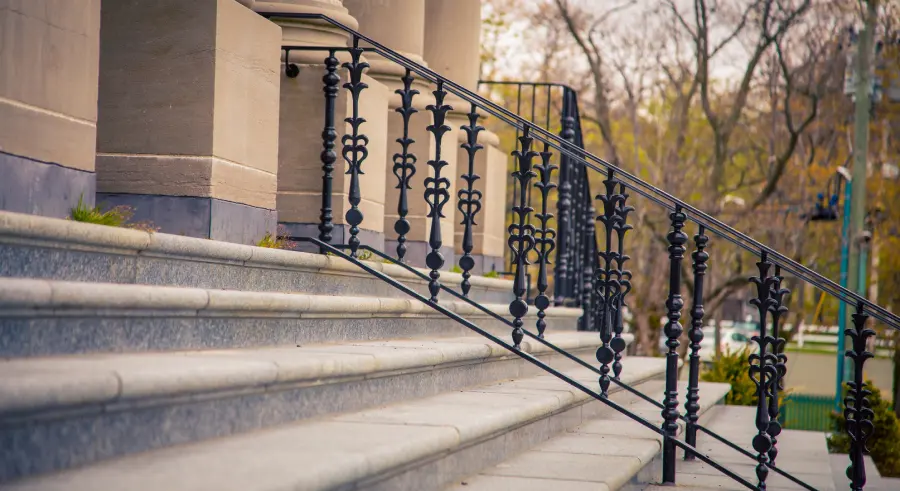
Based in Houston, TX, we provide guidance and service that supports safe metal stair systems. Houston Modern Glass Stairs focuses on durable solutions that reduce long-term repair needs. Our teams help property owners plan smart care schedules. Call (346) 271-1134 to discuss maintenance options that protect value and safety for years.