How Smart Lighting Choices Improve Safety, Comfort, and Daily Movement
Lighting plays a major role in how people move through a home or building. Stair areas need special care because poor lighting can cause slips, missed steps, and eye strain. Good planning helps each step stay clear during day and night. Lighting also shapes mood and style without adding clutter. When light placement supports natural movement, stairs feel safer and easier to use. Thoughtful planning blends safety, comfort, and efficient energy use into one clear solution.
Key Benefits That Lighting Adds With Safe Movement
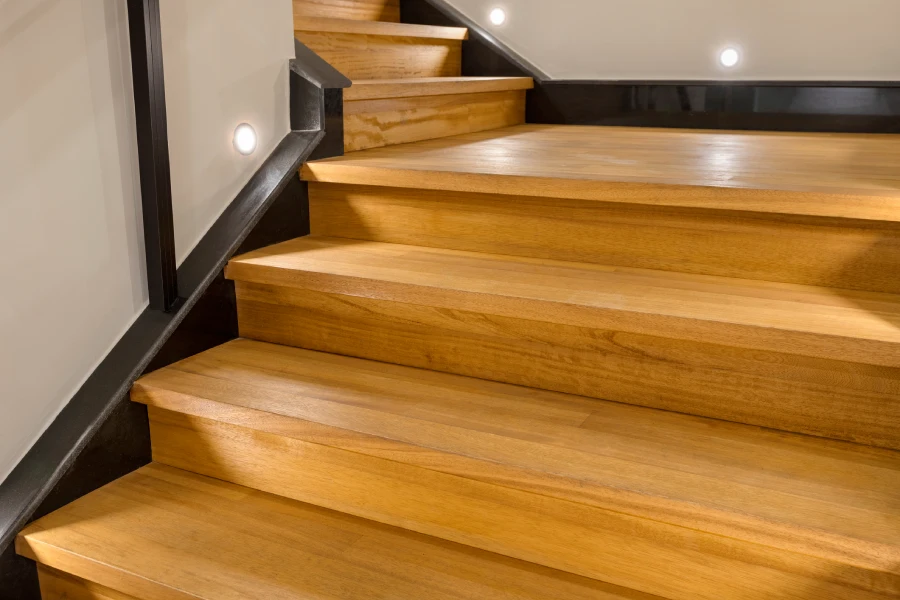
Good lighting improves safety and lowers fall risk during daily use of stairs. Clear step edges help people judge depth and height with ease. In modern staircase design, well-placed light also boosts comfort at night without harsh glare. Energy-efficient lights reduce power costs over time. Soft and even light improves vision for all ages. These benefits support both homes and commercial buildings.
Common Problems Found With Poor Stair Lighting
Many stair areas suffer from shadows, glare, or uneven light spread. These issues confuse depth and hide step edges. With weak planning in staircase design, switches sit too far away or lights fail at night. Burned-out bulbs often go unnoticed. Bright fixtures can blind users when placed at eye level. These problems increase risk and frustration.
Clear Steps for Installing Lighting That Works
A simple plan helps avoid mistakes and wasted cost. When lighting supports movement, users feel safer at every step. Good staircase design uses layered light from different sources. This approach avoids dark spots and harsh beams.
- Check natural light from windows or nearby rooms
- Add low-level lights along steps or walls
- Use overhead light for general coverage
- Place switches at both top and bottom
- Test lighting at night before final setup
Best Practices Used by Lighting Experts
Professionals follow simple rules that prevent glare and missed steps. These methods work in homes and public spaces. Each tip focuses on clarity and long-term use.
- Use warm light to reduce eye strain
- Shield bulbs so light hits steps, not eyes
- Keep light levels even from top to bottom
- Choose fixtures made for foot traffic areas
Comparing Lighting Options for Stair Areas
Each lighting type serves a different purpose and cost level. Understanding pros and cons helps guide the right choice.
- Recessed lights offer clean looks but need planning
- Wall lights add style yet may cause glare
- LED strip lights use low power and last longer
- Motion lights save energy but may delay on start
Industry Rules and Safety Guidelines to Know
Building codes often require stair lighting that stays on during use. Many rules call for light at landings and clear switch access. Some areas require backup power for public stairs. Using UL-listed fixtures improves safety. These rules protect users and reduce liability. Always check local codes before work begins.
Understanding Cost, Value, and Long-Term Savings
Costs depend on fixture type, wiring needs, and control systems. LED options cost more upfront but save money over time. Smart controls reduce waste by turning lights off when not needed. Good planning avoids future changes. Clear lighting also lowers accident risk, which saves repair and legal costs.
Next Steps for Smarter Stair Lighting Plans
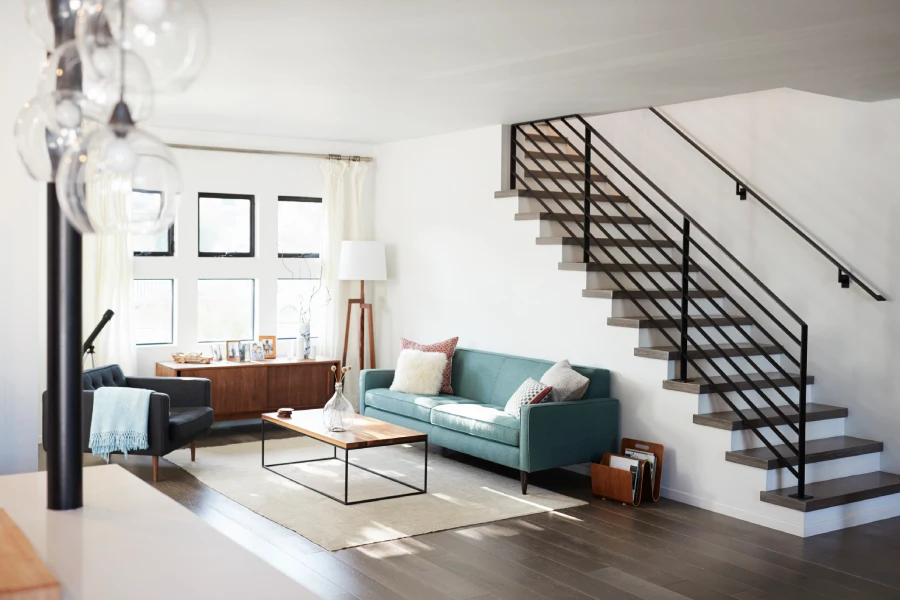
Based in Houston, TX, we help property owners plan lighting that supports daily movement. Houston Modern Glass Stairs focuses on safe layouts and code-aware solutions. Call (346) 271-1134 to discuss practical lighting options and long-term value. We design systems that balance safety, comfort, and lasting performance for every step.