Why Skilled Setup Improves Security, Fit, and Long Term Value
Choosing a strong metal entry adds safety and style to any home. The results depend on how the door is installed. Small errors during setup can cause gaps, lock trouble, and early wear. Skilled installers follow proven methods that protect your investment. They measure, level, and secure each part with care. This leads to better daily use and fewer repairs. Professional work also supports warranties and code rules. The sections below explain how expert setup solves common problems and delivers lasting value.
How Expert Setup Improves Fit and Daily Use
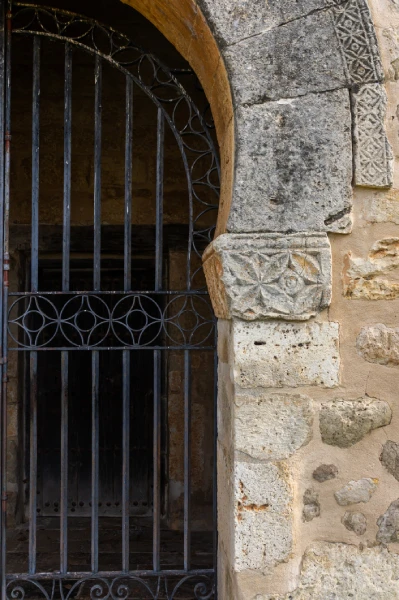
Even small frame shifts can affect heavy metal entries. Professional installers know how to correct walls that are out of square. They use tools that ensure true alignment and smooth swing. With wrought iron doors, proper shimming and anchoring prevent sagging over time. This careful fit reduces drafts and noise. It also helps locks line up cleanly. The door closes flush and feels solid every time you use it.
Security Gains From Correct Anchoring and Hardware
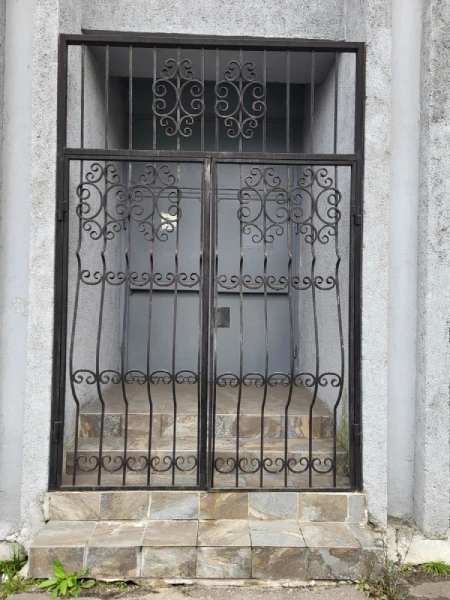
Security depends on more than thick metal. Correct anchoring into studs or masonry matters most. Skilled crews choose the right fasteners and set strike plates deep. With wrought iron doors, hinge placement and bolt length make a real difference. A trained installer checks load points and stress areas. This lowers the risk of forced entry. It also supports impact ratings required by many insurers.
Common Problems With Do It Yourself Installation
Many owners try to save money by installing on their own. This often leads to issues that cost more later. Heavy frames are hard to handle safely. Incorrect leveling causes rubbing and latch failure. Missed seals allow water intrusion and rust. Warranty claims may be denied after self install. These problems reduce door life and raise repair costs.
A Clear Process Professionals Follow During Installation
- Inspect the opening for size, level, and structural support
- Prepare the frame with proper flashing and sealing
- Set the frame square using shims and measured spacing
- Anchor the frame to studs or masonry per code rules
- Hang the door and test swing, latch, and lock alignment
- Seal, finish, and perform a final safety check
Best Practices That Protect Finish and Hardware With Time
- Use weather rated sealants to block moisture
- Apply torque settings that match hardware specs
- Protect finishes during handling and setup
- Test locks under load, not just at rest
- Document measurements for future service calls
Pros and Cons of Professional Versus Self Install
- Professional pros: safer handling, correct fit, code compliance
- Professional cons: higher upfront labor cost
- Self install pros: lower initial spend, flexible timing
- Self install cons: higher risk, lost warranty, uneven results
Industry Standards, Codes, and Inspection Needs
Local building codes often guide door anchoring and safety glazing. Fire rated entries must meet spacing and material rules. Coastal areas may require impact ratings. Professionals stay current with these standards. They schedule inspections when needed. This avoids delays during sales or insurance reviews. Proper documentation adds peace of mind and resale value.
Understanding Cost Factors and Long Term Return
Pricing varies based on size, weight, and site conditions. Masonry openings take more time than wood frames. Complex locks add labor. While professional work costs more upfront, it lowers future repairs. It also protects finishes and hardware. Many owners see better energy savings due to tight seals. Over time, the return offsets the initial spend.
Next Steps for Reliable Installation Results
Located in Houston, TX, we focus on precise setup that protects your investment. Houston Modern Glass Stairs handles measurements, code needs, and final checks with care. Our crews follow proven steps for lasting performance. Call (346) 271-1134 to discuss timing and options. Together, we can plan a setup that improves security, daily use, and long term value.